The Verdict Is In: Rejecting Corporate Cash Wins Elections
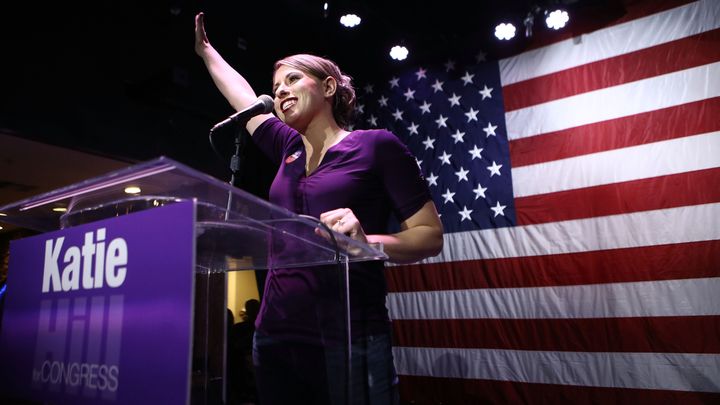
Dozens of Democratic House candidates touted their rejection of corporate PAC donations, helping them raise individual contributions and oust incumbents.
While Florida is on track to be the most expensive senate race this cycle, Montana and North Dakota have the highest cost per vote.
In the final three weeks before Election Day, super PACs spent nearly $90 million on political ads without disclosing who funded them.
A 2017 program showed "democracy vouchers" for Seattle elections doubled the amount of users over traditional cash donors, and that participants were more representative of the city's population in terms of income, race, and age.
In the most expensive midterms ever, the cost per vote in one congressional race was north of $200.
Three of Iowa’s four congressional districts went to Democrats on Tuesday, but Steve King managed to hold on to Iowa’s 4th.
Two recent funders of a super PAC backing candidate Steve Greenfield are the brother of the New York Republican Party chairman and a Texas GOP congressman.
Rep. Greg Walden of Oregon is in a safely Republican district. But as a staunch opponent of net neutrality who chairs the committee overseeing the FCC, his campaign has continued to be rewarded with telecom cash.
Hedge fund manager Seth Klarman used to donate to Republicans, but he’s on a mission to oust white supremacist Steve King and Trump stalwart Devin Nunes.
A coalition including national money-in-politics groups Every Voice and the public policy organization Demos, as well as good-government groups Reinvent Albany and major labor unions, rallied last week in support of a ballot initiative that seeks to strengthen New York City's campaign finance system