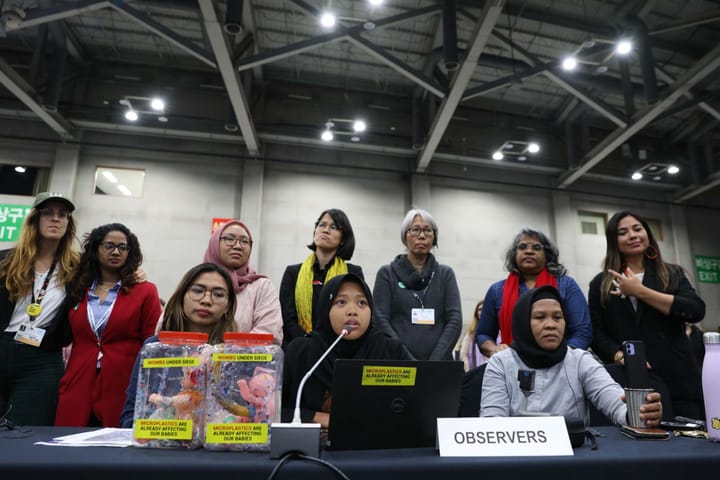
At last week’s United Nations negotiations in Geneva, petrochemical giants and a handful of oil-producing states successfully blocked progress on a global treaty to curb plastic pollution—drawing condemnation from environmental groups who warned of mounting harms from plastic making. The nonprofit Center for International Environmental Law (CIEL) described the outcome as a “failure of process” amid a wave of plastics industry lobbying.
The collapse of the talks, hosted by the U.N. Environment Programme (UNEP), marked the second consecutive round to end in deadlock after Saudi Arabia and other major producers refused to accept a binding cap on plastics manufacturing.
“This round of negotiations saw record numbers of fossil fuel and petrochemical lobbyists—proof that industry is desperate to derail a treaty that could hold it accountable,” said Rachel Radvany, environmental health campaigner for CIEL.
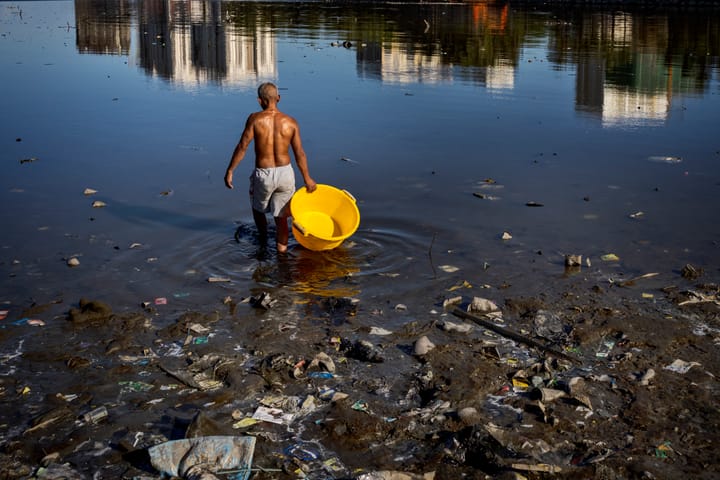
At stake is an explosion of plastic waste: plastic production is set to triple by 2060, but less than 10% of it is recycled, according to a review of studies published earlier this month in the medical journal The Lancet. The journal cited harms—ranging from air pollution to toxic chemical exposure to microplastic buildup in bodies—that stem from the 8,000 megatons of plastic now occupying the planet.
The plastics industry and large plastics-producing countries in the talks have put emphasis on plastic “recycling,” as opposed to reducing production. However, a report last year from the Center for Climate Integrity found that the industry lied about the sustainability of recycling as a solution for plastic pollution, and that for decades over 90% of plastic was burned, landfilled, or disintegrated into the environment.