Netflix spent months earlier this year telling regulators and lawmakers that it was not a monopoly. The streaming giant was seeking approval for a planned $72 billion acquisition of parts of Warner Bros. Discovery, and executives like co-CEO Ted Sarandos testified that Netflix was a peer of free video services like YouTube and TikTok, part of a sprawling online video market. He argued that the merger, which by adding HBO Max would give Netflix control of nearly half the global subscription streaming market, would be “pro-consumer.”
Then Netflix was eventually outbid in the deal, collected a $2.8 billion breakup fee, and raised subscription prices anyway.
After Paramount Skydance trumped Netflix's deal in February for Warner Bros. Discovery’s studio and streaming assets, Paramount paid Netflix a $2.8 billion termination fee under the terms of the bidding process. Less than a month later, Netflix increased subscription prices for the second time in just over a year, raising its standard plan by at least $1 per month and its premium tier by $2.
To anti-monopoly advocates, the timing of Netflix’s latest price hike reveals the dominant market position the company had sought to downplay through a PR campaign and beefed-up lobbying operation.
“Corporate consolidation has created a world where, year after year, Netflix has jacked up prices for millions of customers just because it can,” Sen. Elizabeth Warren told Sludge. “It’s an even bigger slap in the face for Americans that Netflix’s latest price hike came right after it pocketed billions from its failed Warner Bros. bid. We need more competition to stop corporate giants from ripping off Americans.”
When the merger deal was announced, Warren called it an “anti-monopoly nightmare” that threatened American jobs, adding in a statement that the Trump administration’s Department of Justice (DOJ) antitrust review process had been tainted by favoritism and corruption.
📰 Follow the Money. Join Our Newsletter:
In the first quarter of this year, Netflix’s net operating income soared by nearly 83% thanks to the Paramount payout. The company told Variety in March that it was “updating our prices to enable us to reinvest in quality entertainment,” though it had also raised prices in January 2025, which boosted its revenues by 14%, according to Ampere Analysis. Since 2020, the monthly Netflix bill for standard tiers jumped by 29%, and for premium tiers leapt by 39%, far outpacing the rate of inflation.
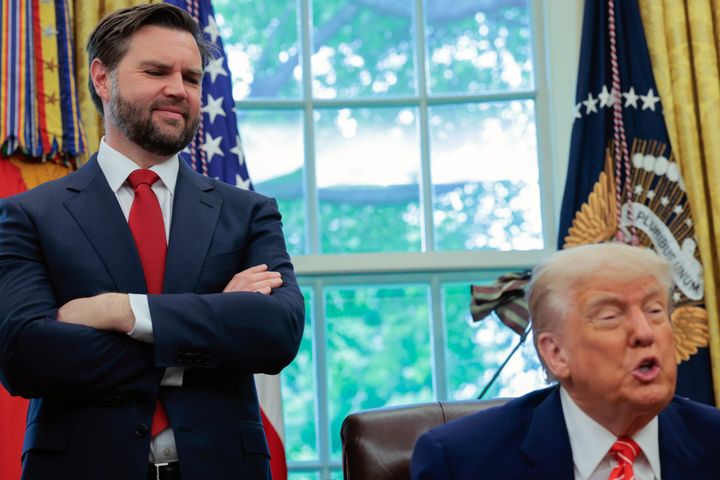
Netflix, meanwhile, had sought to smooth the way for merger approval by downplaying its market share and wooing the White House. Sarandos paid a visit to President Trump at the White House in November as the initial deal was coming together and pushed back against the suggestion that Netflix was a monopoly. Netflix also juiced its lobbying spending in 2025 to a record high $3 million, including hiring the deeply Trump-tied firm Ballard Partners to lobby the White House on media regulation, and brought on even more lobbyists after the deal was announced.
“Netflix's ability to raise prices without any significant decline in subscribers is classic evidence of market power,” said Lee Hepner, senior legal counsel with the nonprofit American Economic Liberties Project (AELP). “Netflix is a highly profitable company that leverages exclusive content to minimize the ability of subscribers to switch to other streaming platforms, where it would be forced to compete on price. That vertical integration of the Netflix Originals banner with Netflix's streaming platform heightens concerns that Netflix is avoiding price competition through exclusive distribution deals and subscriber lock-in.”
The deal would have made Netflix, the world’s largest subscription streaming company, even bigger. Netflix holds a sizable advantage with a 33% global market share in streaming video, according to data from The Economist. Netflix’s 325 million subscribers worldwide is far more than the second-highest Disney Plus, which has 195 million. If the deal had gone through, picking up the streaming service HBO Max and its around 13% market share, Netflix would have had control of nearly half the streaming market.
In addition to the Warner Bros. film and TV studio businesses, Netflix would also have bagged HBO and other assets like the “Game of Thrones” TV series, “Friends,” and DC Comics characters. At the end of February, though, Netflix opted not to sweeten its offer for Warner Bros. after Paramount upped its bid to $111 billion, triggering the breakup fee.
Netflix did not respond to a request for comment on its market share or criticism on social media from Warren last month on the timing of its price hike.
Lawmakers on both sides of the aisle raised red flags over Netflix’s proposed merger, including Sen. Roger Marshall (R-Kansas), who warned of the deal’s “major vertical and horizontal consolidation” and recommended stringent antitrust review. Sen. Mike Lee (R-Utah), chair of the Subcommittee on Antitrust, Competition Policy, and Consumer Rights, predicted harm to competition in streaming markets if the deal went through and raised concerns that Netflix was hoovering up “competitively sensitive information” as part of the review process. More members of Congress spoke out against Netflix’s merger, such as Rep. Pramila Jayapal (D-Wa.), co-chair of the House Monopoly Busters caucus, who forewarned higher prices for consumers with less choice in content. Also in the House, Rep. Darrell Issa (R-Ca.), chairman of the Subcommittee on Intellectual Property, sent a letter to the Department of Justice (DOJ) highlighting antitrust concerns if the deal went through.
Hepner placed Netflix’s pricing power in the context of the Paramount Decrees, the 1948 antitrust rulings by the U.S. Supreme Court that barred Hollywood studios from controlling the production, distribution, and exhibition of films. The decision aimed to prevent the industry from raising prices on moviegoers through exclusive control of showings and bundling movies for theatres. “Today's subscribers are no less vulnerable to Netflix's subscription price hikes, which are possible because Netflix leverages exclusive content to avoid competition with other streaming platforms,” he said.
Meanwhile, the company was mounting a campaign in Washington to convince regulators that the merger would not leave consumers paying more for less content to watch. In 2025, Netflix spent a record amount on lobbying in D.C., including on issues related to competition, and expanded its number of registered lobbyists by a third, tapping 40 lobbyists. Ballard Partners, hired in March 2025, lobbied the White House Office in the first quarter of this year for Netflix on issues of media regulation, with Trump campaign fundraiser Brian Ballard and former Senate Republican staffer Patrick Kilcur on the account. After the initial deal was announced, Netflix hired a new batch of lobbyists with the bipartisan firm Avoq, Republican-founded firm S-3 Group, and four more revolving-door Hill staffers with the bipartisan Federal Hall Policy Advisors. Piling on this year, Netflix hired Seth Bloom, former general counsel for the Senate Antitrust Subcommittee, to lobby on the Warner Bros. deal, as well as Perry Appelbaum, former senior counsel at the DOJ Antitrust Division, to lobby on antitrust issues in the tech industry.
In regulatory filings and in an investor call with Sarandos, Netflix had touted the deal as “pro-consumer, pro-innovation, pro-worker, pro-creator.” Another Securities and Exchange Commission filing by Netflix, in statements such as “Consumers will benefit from an enhanced and more diverse offering of content” and “The transaction is expected to generate significant synergies,” echoed the “consumer welfare standard” (CWS) used by some regulators in evaluating mergers. The CWS is a framework that applies a narrow review to mergers or business practices based on whether consumers would be harmed, such as through higher prices or lower quality. During a Feb. 3 Senate Antitrust subcommittee hearing, Sarandos defended the deal by comparing Netflix to YouTube dozens of times, seeking to position his company in the expansive market of online video, rather than subscription video on demand (SVOD), where it is dominant.
Last year, co-CEOs Sarandos and Greg Peters each received $41.4 million in Netflix stock as part of their compensation package, according to Variety, on top of nearly $42.7 million in stock the year before. Netflix has also benefited from corporate tax policies enacted under the Trump administration: according to 2022 research from the nonprofit Institute on Taxation and Economic Policy (ITEP), Netflix avoided more than $1 billion in federal taxes in 2021 alone, paying a federal corporate income tax rate of only 1.1% that year even as it doubled profits to $5.3 billion.
Laurel Kilgour, research manager with AELP, said it’s telling that Netflix did not use any of its $2.8 billion breakup fee to delay price hikes on every tier, ranging from 8-12% of their cost. The payout was more than enough to cover its planned content reinvestment this year, which Netflix said was set to increase from $18 billion to $20 billion.
“In a more competitive market, you would expect a company receiving a windfall of that magnitude to reinvest it in improving operations and quality to stay competitive, or to set reasonable prices,” Kilgour said. “Instead, Netflix spent $1.3 billion in stock buybacks in Q1 2026—and to top that off, just days ago, the Netflix board authorized up to $25 billion in additional stock buybacks. That is money that will not be invested into the business or paying creators.”