Facing an array of threats from the Trump administration and HHS Secretary Robert F. Kennedy Jr., the pharmaceutical industry spent a record-breaking $227 million on federal lobbying in the first half of 2025, on pace to easily surpass its all-time high of $388 million for 2024. With policies like international price matching, bans on direct-to-consumer drug ads, and restrictions on COVID-19 vaccines gaining momentum, Big Pharma is battling to protect billions in profits. Yet, even as these threats loom, the industry scored a major win this year with expanded orphan drug exemptions from Medicare price negotiations, showing that its influence in the Republican-controlled government remains formidable.
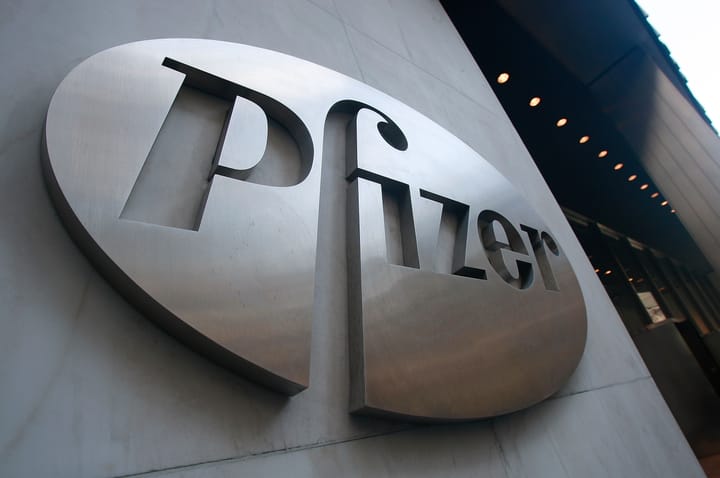
The spending spree, led by industry giants like Pfizer, which shelled out $7.8 million in the first half of the year on issues like drug pricing and vaccine policies, suggests a defensive posture against policies that could hurt profits. One issue at the center of the lobbying is President Trump's push to align U.S. drug prices with lower international rates through "most-favored-nation" pricing, a policy he first floated in 2018 that he is once again pursuing. In May, Trump signed an executive order demanding that drugmakers cut prices to match what they charge in other developed countries, and last month the administration escalated, sending letters to 17 major pharma CEOs insisting on immediate cuts for Medicaid patients and threatening to take additional regulatory steps if progress isn't made within 60 days.
RFK Jr., a vocal skeptic of Big Pharma and vaccines, has amplified many of Trump’s efforts while pursuing his own priorities. His “Make America Health Again” initiative, formalized through an executive order that established a presidential commission, has promised to overhaul food and drug systems, including what he describes as liberating the supplement industry—which often bills itself as an alternative to pharmaceuticals—from the FDA’s “aggressive suppression.” Kennedy has pledged to purge regulators he accuses of stifling supplements and other health products that can’t be patented by pharma companies, and supplement industry groups cheered his HHS nomination. However, he has also been going after the FDA's "generally-recognized-as-safe" rule, which could impact supplement makers alongside food and chemical companies.
Recently, the administration has moved to restrict access to COVID-19 vaccines, which have been a major cash cow for Pfizer and other companies. On August 27, the FDA revoked emergency use authorizations for COVID shots and limited approvals to high-risk groups, making it harder for children and healthy adults to access them amid a surge in the "stratus" variant. This follows Kennedy's earlier defunding of nearly $500 million in mRNA vaccine research contracts.
Kennedy’s actions to change COVID vaccine recommendations sparked lawsuits last month by major medical organizations and calls for him to be removed from his position by the executive director of the American Public Health Association. RFK Jr.’s latest moves to fire Susan Monarez, director of the Centers for Disease Control (CDC) who opposed his vaccine policies, were met with resignations from senior CDC officials and further calls for his dismissal from public health groups.
Direct-to-consumer (DTC) drug advertising, a $10 billion market, is another major battlefront for the industry. RFK Jr. has openly advocated for a crackdown, and the administration is weighing policies to make ads harder and costlier, including potential bans. Momentum is also building in Congress with bills like the End Prescription Drug Ads Now Act introduced in June to prohibit DTC pharmaceutical advertising entirely, the first time such a proposal has been put in legislation.
Despite these pressures, pharma isn't coming away empty-handed. In a major win, the One Big Beautiful Bill Act (OBBBA), signed into law on July 4, 2025, expands exemptions for orphan drugs—those that treat rare diseases—from Medicare price negotiations under the Inflation Reduction Act. Previously, the exemption was limited to drugs that treat a single rare condition, but the OBBBA expanded it to cover multi-indication orphans, protecting high prices for these lucrative products. This provision, which the industry argues will encourage more drug companies to conduct follow-on testing of rare disease therapies, could save companies $5 billion over the next ten years.
Merck is one pharma giant that stands to benefit from the OBBBA, with its blockbuster Keytruda treatment delayed from price negotiations with Medicare by at least one year, from 2026 to 2027. The drug, which treats advanced melanoma, had $17.9 billion in U.S. sales in 2024. In addition to the orphan drug provision, the OBBA resets the timeline for when a drug with an orphan approval can be negotiated with Medicare once it is later approved for a wider use.
Big Pharma's record-shattering lobbying blitz so far this year appears to be a calculated counteroffensive, not just against Trump and RFK Jr.'s populist reforms but also to push a range of profit-protecting policies, from reforming PBMs and limiting the 340B drug program to preserving the Prescription Drug User Fee system and expanding Medicare coverage for weight-loss drugs. Tellingly, the industry's lobbying efforts have extended to handouts of raw cash: PhRMA, Pfizer, Bayer, Merck, Eli Lilly, and Abbott Labs each funneled between $500,000 and $1 million to Trump’s 2025 inaugural committee, a plain attempt to curry favor with an administration that is widely perceived as being particularly susceptible to corporate gifts.
Speed Read:
CREW: Political committees have spent $931,129 at Trump properties since President Donald Trump’s second inauguration, according to CREW’s analysis of FEC filings.
Truthout: An advocacy group is calling on Rep. Ritchie Torres to donate to humanitarian efforts in Gaza after newly released disclosures revealed the staunchly pro-Israel politician’s investments in weapons contractors as he’s campaigned for the U.S.’s backing of Israel’s genocide.
Truthout: An analysis of new campaign finance filings by influence trackers at the nonprofit public interest research organization LittleSis found that multiple billionaires and their companies have funneled more than $19 million into political action committees that support Cuomo or oppose Mamdani and other candidates.