AIPAC-Linked Super PAC Spends $12.7 Million Against El-Sayed
The pro-Rogers group reportedly began receiving AIPAC contributions after the pre-election donor disclosure cutoff, keeping the funding out of public filings until after Election Day.



Sludge is your guide to the hidden forces shaping politics. Join for free today.
The pro-Rogers group reportedly began receiving AIPAC contributions after the pre-election donor disclosure cutoff, keeping the funding out of public filings until after Election Day.
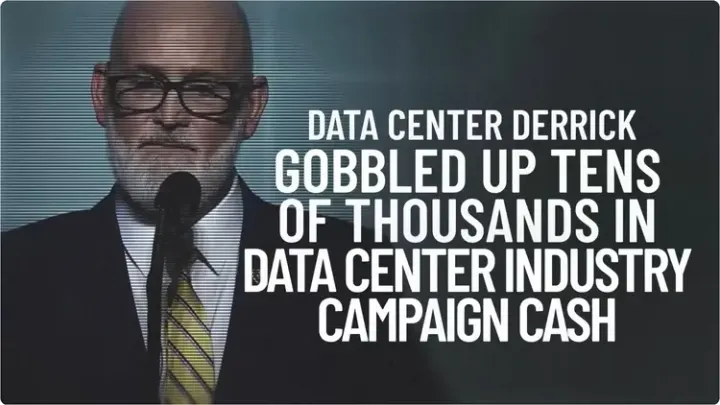
The group’s campaign strategy casts data center developers as a “reviled villain,” even as their executives and investors help finance its bid for a Democratic House majority.
People Over Party raised $7.7 million in 2024, all of it from the nonprofit behind the Fair Election Fund, which in turn got every dollar from a Musk-funded dark money group.
Helen Milby raises money for the New Democrats, runs a nonprofit connecting tech executives with Congress, and advises the industry-backed Chamber of Progress as it seeks to shape the party’s AI agenda.
The billionaire chair of Kleiner Perkins, who co-founded the industry lobby TechNet, set up a nonprofit, Incaendo, that gave more than $10 million to Democratic dark money groups last year.
The California ballot measure would let cities, counties, and the state match small donations with public funds. Backers led by the League of Women Voters say it’s a counterweight to wealthy donors.
As some Democrats move to ban federal use of its license plate cameras, the surveillance company has hired some of the party’s biggest fundraisers.
Peltola pledges to fight dark money, but her campaign did not say whether she would urge the groups backing her to reveal their funding sources.
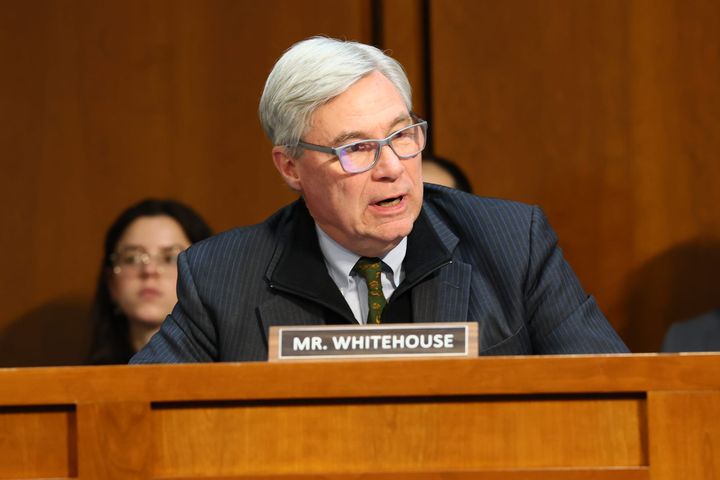
Sen. Sheldon Whitehouse holds millions in data center stocks while helping negotiate a bill that would limit states’ water-quality reviews and restrict court challenges to energy projects.
Democrat-aligned firms have been paid more than $7 million by AIPAC's super PAC and its ally DMFI since 2021.